Buy alfa-project.eu ?
We are moving the project
alfa-project.eu .
Are you interested in purchasing the domain
alfa-project.eu ?
domain@kv-gmbh.de · 0541-91531010
Buy alfa-project.eu ?
How is coal formed?
Coal is formed from the remains of ancient plants that were buried and subjected to high pressure and heat over millions of years. The process begins with the accumulation of plant material in swamps and marshes, which is then buried by layers of sediment. As the plant material is buried deeper, the heat and pressure cause physical and chemical changes, transforming it into peat, then lignite, and eventually into coal. This process, known as coalification, takes millions of years and results in the formation of different types of coal, such as anthracite, bituminous, and sub-bituminous coal. **
How are metals formed?
Metals are formed through a process called nucleosynthesis, which occurs in the cores of stars. During nucleosynthesis, lighter elements such as hydrogen and helium are fused together to form heavier elements like carbon, oxygen, and eventually metals like iron, nickel, and copper. When massive stars reach the end of their life cycle, they undergo a supernova explosion, releasing these newly formed metals into space. Over time, these metals can then accumulate and form into planets, including Earth, where they can be mined and used for various purposes. **

Similar search terms for Formed
Top-Angebote
Products related to Formed:
-
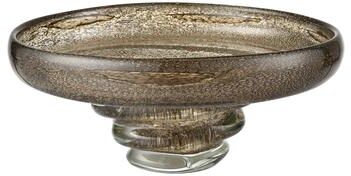
Atlas Lighting and Home Atlas Metcalf Hand-Formed Bubbled Glass Ribbed Bowl - 11.5 inch WideExperience the artistry of the Metcalf Bowl. Made from hand-formed bubbled glass, this heavyweight ribbed bowl is a testament to craftsmanship and a true work of art for your home.118,00 $*Shipping: 0,00 $Secure redirect to the provider
-
Research-powered Eye Duo - Skincare Kit Charlotte Tilbury 3315 Charlotte's Research-powered Eye Duo Size:Darlings, unlock the secret to eyes that appear brighter, depuffed, smoother and younger with my Research-Powered Eye Duo! This CharlotteTilbury.com EXCLUSIVE skincare duo includes:94,05 £*Shipping: 0,00 £Secure redirect to the provider
-
Chicco Alfa Lite Lightweight Travel Playard - MidnightSleep in a Snap Simplify on-the-go sleep with the Alfa LiteLightweight Travel Playard. Weighing only 13 lbs., its feather-weight design, zippered carry bag and fast, snap-open set up provides the perfect, hassle-free start to your overnight...189,99 $*Shipping: 0,00 $Secure redirect to the provider


-
How are crystals formed?
Crystals are formed when atoms or molecules arrange themselves in a repeating pattern, creating a solid structure with a specific geometric shape. This process can occur through various methods, such as cooling of a liquid, evaporation of a solution, or solidification of a melt. As the atoms or molecules come together, they form a lattice structure, leading to the formation of a crystal with distinct properties and characteristics. The specific conditions and elements involved in the formation process determine the type and shape of the crystal that is produced. **
-
How is methane formed?
Methane is formed through a process called methanogenesis, which occurs in anaerobic (oxygen-free) environments such as wetlands, marshes, and the digestive systems of animals. Methanogenic microorganisms, such as archaea, break down organic matter in these environments, producing methane as a byproduct. This process involves the decomposition of organic materials, such as dead plants and animal waste, by bacteria in the absence of oxygen. As a result, methane is released into the atmosphere as a natural part of the carbon cycle. Additionally, methane can also be formed through human activities such as the production and transportation of natural gas, as well as through the decomposition of organic waste in landfills. **
-
How are membranes formed?
Membranes are formed through a process called self-assembly, where molecules arrange themselves into a bilayer structure. This occurs because the hydrophobic tails of the molecules are repelled by water, causing them to orient themselves away from the surrounding aqueous environment. This results in a double layer of molecules with their hydrophilic heads facing the water and their hydrophobic tails facing each other. This bilayer structure forms the basis of all biological membranes, providing a barrier that separates the interior of the cell from its external environment. **
-
How are stars formed?
Stars are formed from vast clouds of gas and dust in space, known as nebulae. These clouds are made up of mostly hydrogen and helium, along with other elements. When a nebula becomes dense enough, gravity causes it to collapse in on itself, forming a protostar. As the protostar continues to collapse, its core becomes hot enough for nuclear fusion to begin, and a new star is born. The remaining gas and dust in the nebula can also form planets and other celestial bodies around the new star. **


How is peat formed?
Peat is formed from the accumulation of partially decayed plant material in waterlogged environments such as bogs and wetlands. When plants die, their organic matter is not fully decomposed due to the waterlogged and acidic conditions, leading to the accumulation of peat over time. The slow decomposition process and the accumulation of more plant material eventually result in the formation of peat. This process can take thousands of years, and the resulting peat is a valuable natural resource used for fuel, horticulture, and as a carbon sink. **
How are curls formed?
Curls are formed when the hair shaft twists or coils around itself. This can happen due to the shape of the hair follicle, which can be oval or asymmetrical, causing the hair to grow in a curved or spiral pattern. Additionally, the presence of disulfide bonds in the hair's protein structure can also contribute to the formation of curls, as these bonds can cause the hair to bend and hold its shape. The amount of curl in the hair can also be influenced by genetics, with some people naturally having straight hair and others having curly or wavy hair. **
Top-Angebote
Products related to Formed:
-
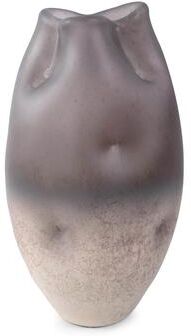
Allan Andrews Electric Flow Free Formed VaseThis hand-blown vase features a captivating ombre effect, blending cool gray and aubergine with warm beige and gold. With its unique shape and matte finish, it brings a modern touch to any design.189,00 $*Shipping: 0,00 $Secure redirect to the provider
-
Atlas Lighting and Home Atlas Metcalf Hand-Formed Bubbled Glass VaseExperience the artistry of the Metcalf Vase. Made from hand-formed bubbled glass, this heavyweight ribbed vase is a testament to craftsmanship and a true work of art for your home.150,00 $*Shipping: 0,00 $Secure redirect to the provider
-
Atlas Lighting and Home Atlas Metcalf Hand-Formed Bubbled Glass Ribbed Bowl - 11.5 inch WideExperience the artistry of the Metcalf Bowl. Made from hand-formed bubbled glass, this heavyweight ribbed bowl is a testament to craftsmanship and a true work of art for your home.118,00 $*Shipping: 0,00 $Secure redirect to the provider
-
Research-powered Eye Duo - Skincare Kit Charlotte Tilbury 3315 Charlotte's Research-powered Eye Duo Size:Darlings, unlock the secret to eyes that appear brighter, depuffed, smoother and younger with my Research-Powered Eye Duo! This CharlotteTilbury.com EXCLUSIVE skincare duo includes:94,05 £*Shipping: 0,00 £Secure redirect to the provider
-
How is coal formed?
Coal is formed from the remains of ancient plants that were buried and subjected to high pressure and heat over millions of years. The process begins with the accumulation of plant material in swamps and marshes, which is then buried by layers of sediment. As the plant material is buried deeper, the heat and pressure cause physical and chemical changes, transforming it into peat, then lignite, and eventually into coal. This process, known as coalification, takes millions of years and results in the formation of different types of coal, such as anthracite, bituminous, and sub-bituminous coal. **
-
How are metals formed?
Metals are formed through a process called nucleosynthesis, which occurs in the cores of stars. During nucleosynthesis, lighter elements such as hydrogen and helium are fused together to form heavier elements like carbon, oxygen, and eventually metals like iron, nickel, and copper. When massive stars reach the end of their life cycle, they undergo a supernova explosion, releasing these newly formed metals into space. Over time, these metals can then accumulate and form into planets, including Earth, where they can be mined and used for various purposes. **
-
How are crystals formed?
Crystals are formed when atoms or molecules arrange themselves in a repeating pattern, creating a solid structure with a specific geometric shape. This process can occur through various methods, such as cooling of a liquid, evaporation of a solution, or solidification of a melt. As the atoms or molecules come together, they form a lattice structure, leading to the formation of a crystal with distinct properties and characteristics. The specific conditions and elements involved in the formation process determine the type and shape of the crystal that is produced. **
-
How is methane formed?
Methane is formed through a process called methanogenesis, which occurs in anaerobic (oxygen-free) environments such as wetlands, marshes, and the digestive systems of animals. Methanogenic microorganisms, such as archaea, break down organic matter in these environments, producing methane as a byproduct. This process involves the decomposition of organic materials, such as dead plants and animal waste, by bacteria in the absence of oxygen. As a result, methane is released into the atmosphere as a natural part of the carbon cycle. Additionally, methane can also be formed through human activities such as the production and transportation of natural gas, as well as through the decomposition of organic waste in landfills. **
Similar search terms for Formed
-
Chicco Alfa Lite Lightweight Travel Playard - MidnightSleep in a Snap Simplify on-the-go sleep with the Alfa LiteLightweight Travel Playard. Weighing only 13 lbs., its feather-weight design, zippered carry bag and fast, snap-open set up provides the perfect, hassle-free start to your overnight...189,99 $*Shipping: 0,00 $Secure redirect to the provider
-
Alfa Italia Tropea Pro Multi Styler WaveThe Alfa Italia Tropea Pro Multi Wave Styler takes multi-tasking to a whole new level. Designed for stylists who demand versatility, this essential session tool lets you master every kind of wave and curl with ease. Two interchangeable titanium barrels clip effortlessly into one sleek base, giving you limitless styling creativity in a compact, travel-friendly package. With instant, even heat up to 232°C, the Tropea Pro uses an advanced MCH heater to deliver controlled, consistent temperature directly to the barrel. Combined with the lightweight titanium construction, heat is distributed evenly for smooth, lasting results on every hair type. Barrel Options 32mm Extra-Long Barrel – Ideal for creating soft, voluminous curls and luxurious waves with plenty of movement - especially suited to longer hair or extensions. For maximum body, curl in large sections and set with a light-hold hairspray, or alternate directions to reveal layers and achieve that effortless, beachy texture. Mermaid Waver (Triple Barrel) – Perfect for sculpting defined, natural-looking mermaid waves. After styling, gently loosen the waves with a wide-tooth comb and finish with a texturizing spray or dry shampoo for a soft, undone look. Titanium Barrels Favoured by professionals, titanium is celebrated for its superior heat conductivity and ultra-smooth surface. It glides effortlessly through the hair, reducing friction and producing silky, shiny waves that last all day with minimal frizz. Advanced MCH Heating Technology The MCH (Metal Ceramic Heater) emits gentle far-infrared heat that penetrates the hair shaft from the inside out. This innovative technology ensures faster, more even heating - cutting styling time in half while minimizing heat damage and preserving natural moisture. Lightweight & Agile Design Built to perform under pressure, the Tropea Pro combines titanium strength with lightweight agility. A 9-foot, 360° swivel cord made from heat-resistant rubber allows complete freedom of movement, while the ergonomic handle and built-in hanging hook make both use and storage effortless. Digital Precision Control An intuitive digital temperature control system lets you fine-tune your heat setting from 121°C to 232°C, ensuring consistent results across all hair types and textures. For peace of mind, an auto-shutoff safety feature powers the tool down when not in use.112,00 £*Shipping: 0,00 £Secure redirect to the provider
-
HARPERCOLLINS Creative Confidence by Tom & David Kelley – Unleashing Your Creative Potential & Innovation MindsetA powerful and inspiring book from the founders of IDEO, the award-winning design firm, on unleashing the creativity that lies within each and every one of us. Too often, companies and individuals assume that creativity and innovation are the domain of the ‘creative types’. But two of the foremost experts in innovation, design and creativity on the planet show us that each and every one of us is creative. In an entertaining and inspiring narrative that draws on countless stories from their work at IDEO, and with many of the world's top companies and design firms, David and Tom Kelley identify the principles and strategies that will allow us to tap into our creative potential in our work lives, and in our personal lives, allow us to think outside the box in terms of how we approach and solve problems. ‘Creative Confidence’ is a book that will help each of us be more productive and successful in our lives and in our careers.4,95 £*Shipping: 1,99 £Secure redirect to the provider
-
How are membranes formed?
Membranes are formed through a process called self-assembly, where molecules arrange themselves into a bilayer structure. This occurs because the hydrophobic tails of the molecules are repelled by water, causing them to orient themselves away from the surrounding aqueous environment. This results in a double layer of molecules with their hydrophilic heads facing the water and their hydrophobic tails facing each other. This bilayer structure forms the basis of all biological membranes, providing a barrier that separates the interior of the cell from its external environment. **
-
How are stars formed?
Stars are formed from vast clouds of gas and dust in space, known as nebulae. These clouds are made up of mostly hydrogen and helium, along with other elements. When a nebula becomes dense enough, gravity causes it to collapse in on itself, forming a protostar. As the protostar continues to collapse, its core becomes hot enough for nuclear fusion to begin, and a new star is born. The remaining gas and dust in the nebula can also form planets and other celestial bodies around the new star. **
-
How is peat formed?
Peat is formed from the accumulation of partially decayed plant material in waterlogged environments such as bogs and wetlands. When plants die, their organic matter is not fully decomposed due to the waterlogged and acidic conditions, leading to the accumulation of peat over time. The slow decomposition process and the accumulation of more plant material eventually result in the formation of peat. This process can take thousands of years, and the resulting peat is a valuable natural resource used for fuel, horticulture, and as a carbon sink. **
-
How are curls formed?
Curls are formed when the hair shaft twists or coils around itself. This can happen due to the shape of the hair follicle, which can be oval or asymmetrical, causing the hair to grow in a curved or spiral pattern. Additionally, the presence of disulfide bonds in the hair's protein structure can also contribute to the formation of curls, as these bonds can cause the hair to bend and hold its shape. The amount of curl in the hair can also be influenced by genetics, with some people naturally having straight hair and others having curly or wavy hair. **
* All prices are inclusive of VAT and, if applicable, plus shipping costs. The offer information is based on the details provided by the respective shop and is updated through automated processes. Real-time updates do not occur, so deviations can occur in individual cases. ** Note: Parts of this content were created by AI.