Buy alfa-project.eu ?
We are moving the project
alfa-project.eu .
Are you interested in purchasing the domain
alfa-project.eu ?
domain@kv-gmbh.de · 0541-91531010
Buy alfa-project.eu ?
What is the difference between allosteric inhibition and allosteric activation?
Allosteric inhibition occurs when a molecule binds to an allosteric site on an enzyme, causing a conformational change that decreases the enzyme's activity. In contrast, allosteric activation involves a molecule binding to an allosteric site on an enzyme, leading to a conformational change that increases the enzyme's activity. Essentially, allosteric inhibition decreases enzyme activity, while allosteric activation increases enzyme activity. **
What is allosteric inhibition?
Allosteric inhibition is a type of enzyme regulation where a molecule binds to a site on the enzyme that is different from the active site, causing a conformational change in the enzyme's structure. This change reduces the enzyme's activity and ability to bind to its substrate, ultimately inhibiting its function. Allosteric inhibition is a reversible process and can be used to regulate enzyme activity in response to changing cellular conditions. **

Similar search terms for Allosteric
Top-Angebote
Products related to Allosteric:
-
SAGE Publications Case Study Research and Applications: Design and MethodsRecognized as one of the most cited methodology books in the social sciences, the Sixth Edition of Robert K. Yin′s bestselling text provides a complete portal to the world of case study research. With the integration of 11 applications in this edition, the book gives readers access to exemplary case studies drawn from a wide variety of academic and applied fields. Ultimately, Case Study Research and Applications will guide students in the successful use and application of the case study research method.59,99 £*Shipping: 0,00 £Secure redirect to the provider
-
Chicco Alfa Lite Lightweight Travel Playard - DoveSleep in a Snap Simplify on-the-go sleep with the Alfa LiteLightweight Travel Playard. Weighing only 13 lbs., its feather-weight design, zippered carry bag and fast, snap-open set up provides the perfect, hassle-free start to your overnight...189,99 $*Shipping: 0,00 $Secure redirect to the provider
-
Chicco Alfa Lite Lightweight Travel Playard, MidnightAlfa Lite is a compact folding playard offering big convenience. Ideal for hassle-free overnight outings. Simple snap open motion positions legs securely into place. Full-size sleeping area with padded mattress. Zip-open access side panel.191,99 $*Shipping: 0,00 $Secure redirect to the provider




-
Is allosteric inhibition irreversible?
Allosteric inhibition is typically reversible, meaning that the inhibitor can bind to the allosteric site and block the activity of the enzyme, but can also dissociate from the site, allowing the enzyme to regain its activity. This is in contrast to irreversible inhibition, where the inhibitor forms a covalent bond with the enzyme, permanently inactivating it. **
-
Does Vmax change in allosteric inhibition?
Yes, Vmax can change in allosteric inhibition. Allosteric inhibition occurs when a molecule binds to an enzyme at a site other than the active site, causing a conformational change that reduces the enzyme's activity. This can result in a decrease in the enzyme's maximum velocity (Vmax) as the enzyme becomes less efficient at catalyzing the reaction. Therefore, allosteric inhibition can lead to a decrease in Vmax, ultimately affecting the rate of the enzymatic reaction. **
-
What is a cofactor allosteric activator?
A cofactor allosteric activator is a molecule that binds to an enzyme at a site other than the active site, causing a conformational change in the enzyme that increases its activity. This type of activator works by promoting the enzyme's ability to bind to its substrate and carry out its catalytic function. Cofactor allosteric activators are important for regulating enzyme activity in response to changes in the cell's environment, allowing for fine-tuning of metabolic pathways and other cellular processes. **
-
Is end product repression automatically an allosteric inhibition?
End product repression is not automatically an allosteric inhibition. While end product repression often involves the inhibition of an enzyme by the end product of a metabolic pathway, this inhibition can occur through various mechanisms. Allosteric inhibition is one possible mechanism, where the end product binds to a site on the enzyme other than the active site, leading to a conformational change that inhibits the enzyme's activity. However, end product repression can also occur through competitive inhibition, non-competitive inhibition, or other regulatory mechanisms that do not involve allosteric binding. **


What type of inhibition occurs through allosteric activation/inhibition?
Allosteric inhibition occurs when a molecule binds to an allosteric site on an enzyme, causing a conformational change that reduces the enzyme's activity. This type of inhibition is non-competitive, meaning it does not compete with the substrate for the active site. Allosteric activation, on the other hand, occurs when a molecule binds to an allosteric site and enhances the enzyme's activity. Both allosteric inhibition and activation involve the binding of a regulatory molecule to a site other than the active site of the enzyme, leading to a change in the enzyme's activity. **
Is allosteric inhibition the same as non-competitive inhibition?
Allosteric inhibition and non-competitive inhibition are not the same, although they are related. Non-competitive inhibition refers to the binding of an inhibitor to a site on the enzyme that is not the active site, thereby preventing the substrate from binding to the active site. Allosteric inhibition, on the other hand, occurs when an inhibitor binds to a site on the enzyme that is distinct from the active site, causing a conformational change in the enzyme that reduces its activity. While both types of inhibition involve the binding of an inhibitor to a site other than the active site, allosteric inhibition specifically involves a change in the enzyme's shape and activity. **
Top-Angebote
Products related to Allosteric:
-
Research-powered Eye Duo - Skincare Kit Charlotte Tilbury 3330 Charlotte's Research-powered Eye Duo Size:Darlings, unlock the secret to eyes that appear brighter, depuffed, smoother and younger with my Research-Powered Eye Duo! This CharlotteTilbury.com EXCLUSIVE skincare duo includes:94,05 £*Shipping: 0,00 £Secure redirect to the provider
-
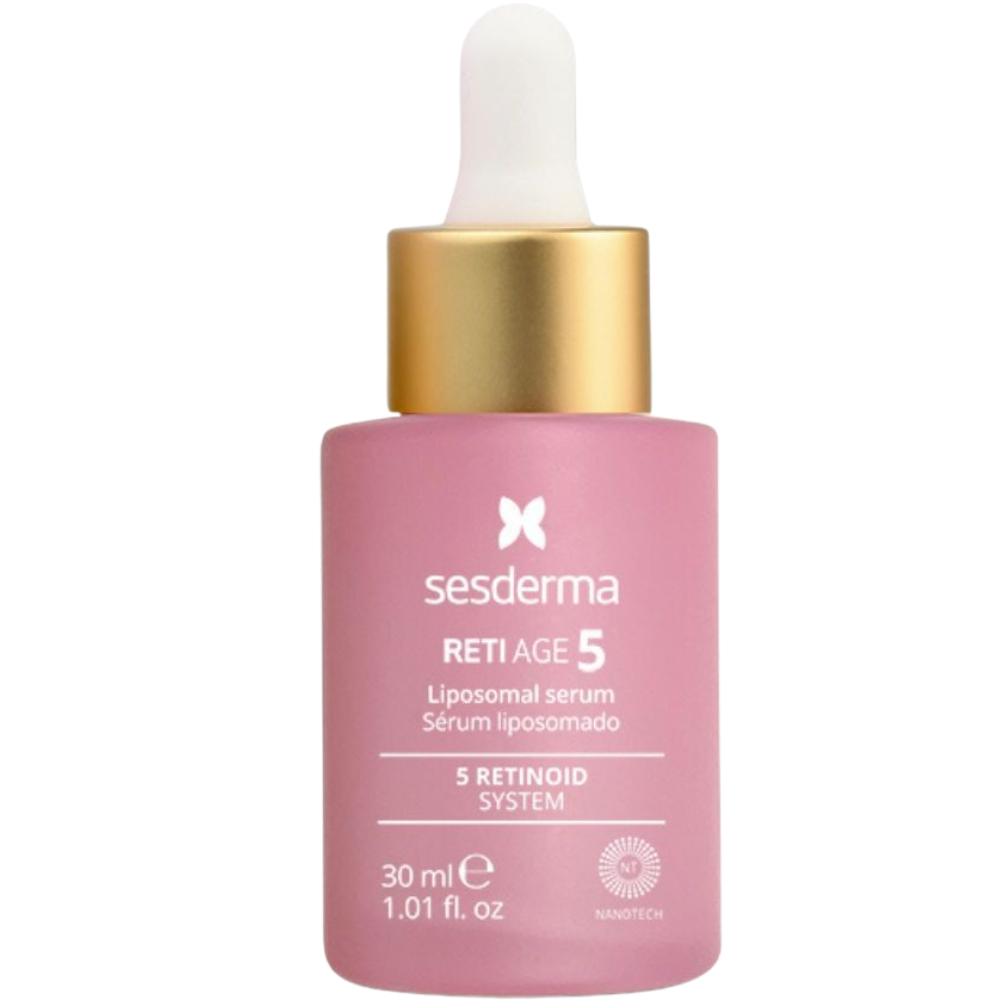
Sesderma Reti Age 5 Liposomal Serum Anti-Aging Innovation 30mLA facial serum for wrinkles and signs of ageing. Reduces wrinkles and fine lines. Hydrates and strengthens barrier. Restores youthful radiance. 5-Retinoid System: smooths wrinkles, accelerates renewal, and boosts collagen. Biomimetic Peptides: fill expression lines by stimulating collagen synthesis.54,51 £*Shipping: 5,34 £Secure redirect to the provider
-
SAGE Publications Case Study Research and Applications: Design and MethodsRecognized as one of the most cited methodology books in the social sciences, the Sixth Edition of Robert K. Yin′s bestselling text provides a complete portal to the world of case study research. With the integration of 11 applications in this edition, the book gives readers access to exemplary case studies drawn from a wide variety of academic and applied fields. Ultimately, Case Study Research and Applications will guide students in the successful use and application of the case study research method.59,99 £*Shipping: 0,00 £Secure redirect to the provider
-
Chicco Alfa Lite Lightweight Travel Playard - DoveSleep in a Snap Simplify on-the-go sleep with the Alfa LiteLightweight Travel Playard. Weighing only 13 lbs., its feather-weight design, zippered carry bag and fast, snap-open set up provides the perfect, hassle-free start to your overnight...189,99 $*Shipping: 0,00 $Secure redirect to the provider
-
What is the difference between allosteric inhibition and allosteric activation?
Allosteric inhibition occurs when a molecule binds to an allosteric site on an enzyme, causing a conformational change that decreases the enzyme's activity. In contrast, allosteric activation involves a molecule binding to an allosteric site on an enzyme, leading to a conformational change that increases the enzyme's activity. Essentially, allosteric inhibition decreases enzyme activity, while allosteric activation increases enzyme activity. **
-
What is allosteric inhibition?
Allosteric inhibition is a type of enzyme regulation where a molecule binds to a site on the enzyme that is different from the active site, causing a conformational change in the enzyme's structure. This change reduces the enzyme's activity and ability to bind to its substrate, ultimately inhibiting its function. Allosteric inhibition is a reversible process and can be used to regulate enzyme activity in response to changing cellular conditions. **
-
Is allosteric inhibition irreversible?
Allosteric inhibition is typically reversible, meaning that the inhibitor can bind to the allosteric site and block the activity of the enzyme, but can also dissociate from the site, allowing the enzyme to regain its activity. This is in contrast to irreversible inhibition, where the inhibitor forms a covalent bond with the enzyme, permanently inactivating it. **
-
Does Vmax change in allosteric inhibition?
Yes, Vmax can change in allosteric inhibition. Allosteric inhibition occurs when a molecule binds to an enzyme at a site other than the active site, causing a conformational change that reduces the enzyme's activity. This can result in a decrease in the enzyme's maximum velocity (Vmax) as the enzyme becomes less efficient at catalyzing the reaction. Therefore, allosteric inhibition can lead to a decrease in Vmax, ultimately affecting the rate of the enzymatic reaction. **
Similar search terms for Allosteric
-
Chicco Alfa Lite Lightweight Travel Playard, MidnightAlfa Lite is a compact folding playard offering big convenience. Ideal for hassle-free overnight outings. Simple snap open motion positions legs securely into place. Full-size sleeping area with padded mattress. Zip-open access side panel.191,99 $*Shipping: 0,00 $Secure redirect to the provider
-
Alfa Italia Tropea Pro Multi Styler WaveThe Alfa Italia Tropea Pro Multi Wave Styler takes multi-tasking to a whole new level. Designed for stylists who demand versatility, this essential session tool lets you master every kind of wave and curl with ease. Two interchangeable titanium barrels clip effortlessly into one sleek base, giving you limitless styling creativity in a compact, travel-friendly package. With instant, even heat up to 232°C, the Tropea Pro uses an advanced MCH heater to deliver controlled, consistent temperature directly to the barrel. Combined with the lightweight titanium construction, heat is distributed evenly for smooth, lasting results on every hair type. Barrel Options 32mm Extra-Long Barrel – Ideal for creating soft, voluminous curls and luxurious waves with plenty of movement - especially suited to longer hair or extensions. For maximum body, curl in large sections and set with a light-hold hairspray, or alternate directions to reveal layers and achieve that effortless, beachy texture. Mermaid Waver (Triple Barrel) – Perfect for sculpting defined, natural-looking mermaid waves. After styling, gently loosen the waves with a wide-tooth comb and finish with a texturizing spray or dry shampoo for a soft, undone look. Titanium Barrels Favoured by professionals, titanium is celebrated for its superior heat conductivity and ultra-smooth surface. It glides effortlessly through the hair, reducing friction and producing silky, shiny waves that last all day with minimal frizz. Advanced MCH Heating Technology The MCH (Metal Ceramic Heater) emits gentle far-infrared heat that penetrates the hair shaft from the inside out. This innovative technology ensures faster, more even heating - cutting styling time in half while minimizing heat damage and preserving natural moisture. Lightweight & Agile Design Built to perform under pressure, the Tropea Pro combines titanium strength with lightweight agility. A 9-foot, 360° swivel cord made from heat-resistant rubber allows complete freedom of movement, while the ergonomic handle and built-in hanging hook make both use and storage effortless. Digital Precision Control An intuitive digital temperature control system lets you fine-tune your heat setting from 121°C to 232°C, ensuring consistent results across all hair types and textures. For peace of mind, an auto-shutoff safety feature powers the tool down when not in use.112,00 £*Shipping: 0,00 £Secure redirect to the provider
-
Research-powered Eye Duo - Skincare Kit Charlotte Tilbury 3322 Charlotte's Research-powered Eye Duo Size:Darlings, unlock the secret to eyes that appear brighter, depuffed, smoother and younger with my Research-Powered Eye Duo! This CharlotteTilbury.com EXCLUSIVE skincare duo includes:94,05 £*Shipping: 0,00 £Secure redirect to the provider
-
What is a cofactor allosteric activator?
A cofactor allosteric activator is a molecule that binds to an enzyme at a site other than the active site, causing a conformational change in the enzyme that increases its activity. This type of activator works by promoting the enzyme's ability to bind to its substrate and carry out its catalytic function. Cofactor allosteric activators are important for regulating enzyme activity in response to changes in the cell's environment, allowing for fine-tuning of metabolic pathways and other cellular processes. **
-
Is end product repression automatically an allosteric inhibition?
End product repression is not automatically an allosteric inhibition. While end product repression often involves the inhibition of an enzyme by the end product of a metabolic pathway, this inhibition can occur through various mechanisms. Allosteric inhibition is one possible mechanism, where the end product binds to a site on the enzyme other than the active site, leading to a conformational change that inhibits the enzyme's activity. However, end product repression can also occur through competitive inhibition, non-competitive inhibition, or other regulatory mechanisms that do not involve allosteric binding. **
-
What type of inhibition occurs through allosteric activation/inhibition?
Allosteric inhibition occurs when a molecule binds to an allosteric site on an enzyme, causing a conformational change that reduces the enzyme's activity. This type of inhibition is non-competitive, meaning it does not compete with the substrate for the active site. Allosteric activation, on the other hand, occurs when a molecule binds to an allosteric site and enhances the enzyme's activity. Both allosteric inhibition and activation involve the binding of a regulatory molecule to a site other than the active site of the enzyme, leading to a change in the enzyme's activity. **
-
Is allosteric inhibition the same as non-competitive inhibition?
Allosteric inhibition and non-competitive inhibition are not the same, although they are related. Non-competitive inhibition refers to the binding of an inhibitor to a site on the enzyme that is not the active site, thereby preventing the substrate from binding to the active site. Allosteric inhibition, on the other hand, occurs when an inhibitor binds to a site on the enzyme that is distinct from the active site, causing a conformational change in the enzyme that reduces its activity. While both types of inhibition involve the binding of an inhibitor to a site other than the active site, allosteric inhibition specifically involves a change in the enzyme's shape and activity. **
* All prices are inclusive of VAT and, if applicable, plus shipping costs. The offer information is based on the details provided by the respective shop and is updated through automated processes. Real-time updates do not occur, so deviations can occur in individual cases. ** Note: Parts of this content were created by AI.